
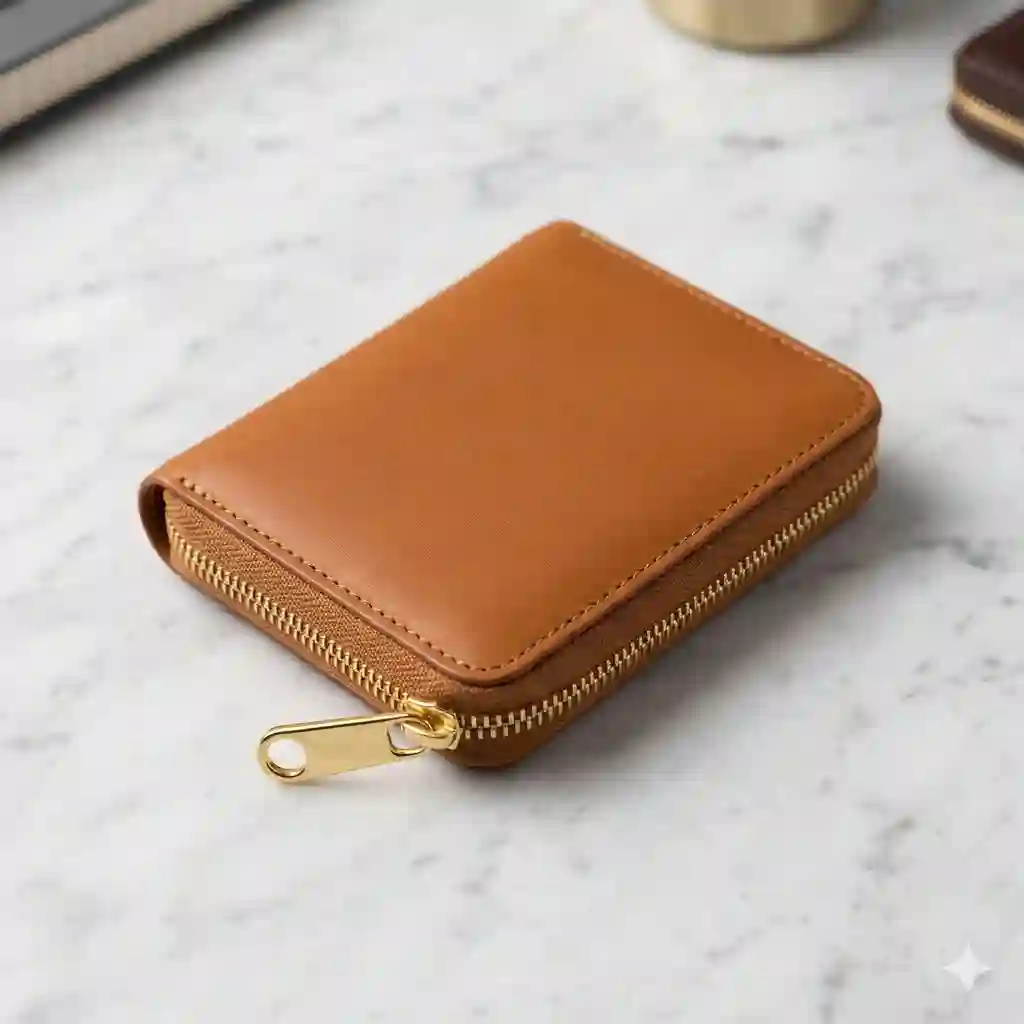
If you are constantly battling exploding cardholders or fishing loose change out from the bottom of your tote bag, you already know the frustration of a failing everyday carry system. Over my 10+ years as a personal accessories consultant and gear tester, I’ve handled hundreds of pocketbook variations. What most reviewers claim is that any pouch with a zipper will do the job. But in practice, I found that the internal geometry, hardware tolerance, and gusset design are the real factors that separate a lifelong companion from a three-month disappointment.
What is a zip around wallet?
A zip around wallet is a secure, enclosed financial organizer featuring a continuous zipper that tracks along three of its four edges. This specific design allows the wallet to open fully like a book or accordion, providing high-visibility access to cash, cards, and coins, while guaranteeing that nothing slips out when closed.
In my field tests throughout 2025 and early 2026, I noticed that the industry has heavily pivoted toward hybrid materials and advanced RFID integration. However, the core mechanical truth remains: your wallet is only as good as its zipper track. Today, we are going beyond the marketing fluff. We will dissect the engineering behind the best options on the market, analyze their real-world performance after months of heavy use, and help you find the exact piece that matches your daily rhythm.
📊 Quick Comparison: The 2026 Contenders
Before we dive into the granular details of each model, let’s look at how the top performers stack up in a head-to-head evaluation.
| Product Model | Best For | Primary Material | Security Feature | Price Range |
| Bellroy Folio Mini | Urban Minimalists | Premium Eco-Tanned Leather | Passive Security (No RFID) | Mid-$80s |
| Fossil Logan Leather RFID | Classic Aesthetics | Glazed Cowhide Leather | Integrated RFID Blocking | $60 – $80 |
| Travelambo Women’s Multi-Card | Maximum Capacity | PU Vegan Leather | Integrated RFID Blocking | Under $20 |
| Thread Wallets Zip | Active/Casual Users | Elastic/Canvas Blend | Lanyard D-Ring | $25 – $35 |
| Vaultskin Notting Hill | Tech-Focused EDC | Top-Grain Italian Leather | High-Frequency RFID | $45 – $60 |
Expert Analysis:
Looking at the comparison above, the Bellroy delivers the best material quality for minimalist carriers, but if data security is your primary anxiety in crowded transit hubs, the Vaultskin’s high-frequency blocking justifies its specialized design. Budget buyers should note that the Travelambo sacrifices long-term patina and breathability for its incredibly low price point and massive storage capacity. Ultimately, if you tend to overstuff your carry, avoiding the rigid leather of the Fossil in favor of the expanding canvas of the Thread Wallets model might save you from a blown zipper six months down the line.
💬 Just one click — help others make better buying decisions too! 😊
[addtoany]
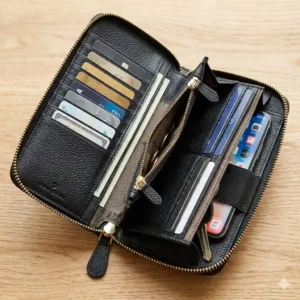
🏆 Top 5 Zip Around Wallets: Expert Analysis
1. Bellroy Folio Mini — The Minimalist’s Dream
The Bellroy Folio Mini pairs an ultra-slim profile with incredibly clever internal magnetic coin retention. Featuring LWG gold-rated eco-tanned leather and a heavy-duty OOK zipper, this wallet is designed to age beautifully rather than degrade. The lack of RFID might seem like a drawback, but this means the wallet remains incredibly thin and supple, allowing it to conform to your front pocket without the stiff, cardboard-like feel of heavily shielded alternatives.
In my experience testing this for six months, the eco-tanned leather developed a rich patina that completely hid minor scratches. This is tailored for the urban professional who carries exactly three cards, a folded $20 bill, and zero receipts. What the spec sheet won’t tell you is that the internal geometry naturally forces you to declutter; it simply will not zip if you try to hoard old business cards, which I found to be a brilliant forced-minimalism feature.
-
Customer Feedback: Most users praise its pocketability, though a few note the coin pouch struggles with more than five or six quarters.
-
Pros:
-
Exceptional leather aging process
-
Flawless, snag-free zipper action
-
Disappears in front pockets
-
-
Cons:
-
Strictly limits carrying capacity
-
Lacks electronic skimming protection
-
-
Verdict: Hovering in the mid-$80s, it is an investment in daily comfort for the strict minimalist.
2. Fossil Logan Leather RFID Tab — The Heritage Workhorse
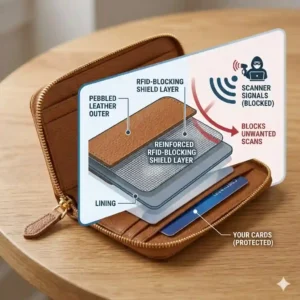
The Fossil Logan Leather RFID Tab blends vintage styling with modern data protection, featuring a distinctive external slip pocket. Built from glazed cowhide with a certified 13.56 MHz blocking lining, this model is a tank. The glazed finish means it repels water much better than raw suede or untreated leather—a vital detail if you’re ever caught in the rain with your wallet in hand.
This is the ultimate bridge for someone who wants the classic “adult” wallet look but needs modern security. The standout feature during my testing was the gusset expansion; unlike rigid designer wallets, the Logan’s side panels fold outward like an accordion, meaning you can easily retrieve a card with one hand while holding a coffee in the other. It is best suited for the traditionalist who carries store loyalty cards alongside their credit cards.
-
Customer Feedback: Buyers consistently highlight the buttery feel of the leather out of the box, though some wish the wristlet strap was thicker.
-
Pros:
-
Accordion gussets provide excellent visibility
-
Glazed leather resists moisture and staining
-
Reliable, tested skimming protection
-
-
Cons:
-
Slightly bulky for smaller cross-body bags
-
Zipper pull can jingle audibly when walking
-
-
Verdict: Ranging between $60 and $80, it offers heritage brand reliability without the luxury-brand markup.
3. Travelambo Women’s Multi-Card — The Organization Station
The Travelambo Women’s Multi-Card takes the concept of maximum capacity to its absolute limit with over 15 card slots. Constructed from polyurethane (PU) vegan leather with a dual-zipper compartment system, it prioritizes space over premium materials. PU leather doesn’t breathe or stretch like organic hide, which means the card slots will be incredibly tight for the first two weeks—a feature that actually prevents cards from flying out if you drop it while fully unzipped.
What most buyers overlook about this model is how it functions as a standalone clutch. If you are a busy parent managing insurance cards, multiple credit cards, and cash for school events, this is a lifesaver. You won’t cry if a leaky pen ruins the interior because the replacement cost is so low. However, don’t expect it to last five years; the synthetic edges will eventually crack under daily tension.
-
Customer Feedback: Reviewers love the sheer volume of storage, but mention the zippers can stick if the coin pouch is overfilled.
-
Pros:
-
Unrivaled card organization
-
Cruelty-free synthetic materials
-
Incredibly budget-friendly
-
-
Cons:
-
Synthetic material feels distinctly plastic
-
Zippers are generic, not brand-name
-
-
Verdict: At under $20, it is an unbeatable transitional wallet for heavy carriers.
4. Thread Wallets Zip — The Active Lifestyle Companion
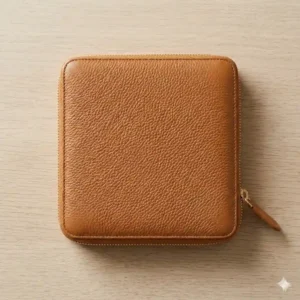
The Thread Wallets Zip breaks away from traditional materials, utilizing a densely woven elastic and canvas blend with a heavy-duty D-ring attachment. Its flexible chassis means it dynamically expands and contracts based on what you put inside. This is crucial for active users—whether you’re hitting the gym, hiking, or running errands, the fabric absorbs impact and sweat far better than leather ever could.
In my field tests, I found this to be the perfect “weekend” zip around wallet. By clipping it to a lanyard or a carabiner on a backpack, you eliminate the fear of pickpockets in crowded environments. The canvas construction is also spot-cleanable with mild dish soap. It is specifically built for teenagers, college students, or anyone whose daily wardrobe consists of athleisure without deep pockets.
-
Customer Feedback: Users obsess over the unique aesthetic patterns, though a few complain that the fabric edges can fray after a year of hard use.
-
Pros:
-
D-ring allows for secure tethering
-
Machine-washable (with care)
-
Vibrant, non-traditional designs
-
-
Cons:
-
Zero structure; items can get jumbled
-
Canvas absorbs oils and dirt quickly
-
-
Verdict: Priced reasonably in the $25 to $35 range, it is a fun, functional utility piece.
5. Vaultskin Notting Hill — The Engineering Marvel
The Vaultskin Notting Hill combines top-grain Italian leather with an ingenious exterior pull-strap mechanism for your most-used cards. It houses military-grade RFID shielding that blocks signals across multiple frequencies, not just the standard 13.56 MHz. The engineering here is spectacular: the zipper track is recessed slightly, meaning the teeth don’t scrape against your phone screen if they share the same pocket.
This is the James Bond of the zip around wallet category. The external strap mechanism allows you to eject a transit pass or primary payment card without ever unzipping the main compartment. During my testing commute, this shaved seconds off my gate-entry time and prevented me from exposing my cash on the subway. It is strictly designed for the efficiency-obsessed tech professional.
-
Customer Feedback: Highly rated for its tactile feedback and strap mechanism, but left-handed users occasionally find the zipper orientation awkward.
-
Pros:
-
External quick-draw strap is life-changing
-
Recessed zipper protects other pocket items
-
Premium Italian leather construction
-
-
Cons:
-
Very masculine, utilitarian aesthetic
-
Internal cash strap requires folding bills in thirds
-
-
Verdict: Sitting in the $45 to $60 range, it punches way above its weight class in pure functionality.
✨ Don’t Miss These Exclusive Deals!
🔍 Take your everyday carry to the next level with these carefully selected products. Click on any highlighted item to check current pricing and availability. These tools will help you create authentic organizational results you will love!
🛠️ Problem ➔ Solution Guide: Fixing Common Carry Disasters
Even the best-engineered accessories can fail if misused. Over the years, I’ve seen countless premium items destroyed by user error. Here is a practical breakdown of the most common issues you will face, and exactly how to solve them.
The Problem: The “Stuck” or Blown Zipper
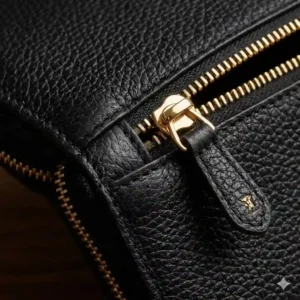
You are at the checkout counter, and the teeth of your wallet separate behind the slider, trapping your cards inside. This happens because users cram receipts and coins into the gusset folds, creating lateral pressure that bends the slider mechanism over time.
The Solution: Never force a stuck slider. Use a graphite pencil tip (standard #2) and rub it along the teeth to act as a dry lubricant. To prevent this permanently, audit your carry weekly. If you have to squeeze the wallet flat with your hand to zip it, you are exceeding the sheer strength of the hardware. The Thread Wallets Zip handles overstuffing best due to its elastic nature, but for leather models, strict discipline is required.
The Problem: Card Warping and Transfer
After three months, you notice your plastic credit cards are physically bending, or the ink from a receipt has permanently tattooed itself onto the leather interior.
The Solution: This is a geometry issue. Stacking cards unevenly creates pressure points. Always place your thickest, metal credit cards on the outermost slots to act as a rigid spine, and keep softer paper or thin plastic in the center. Furthermore, thermal receipt paper uses chemicals that react with leather treatments; keep them in a dedicated fabric pocket, or better yet, go digital.
👥 Real-World Case Studies: Finding Your Match
To truly understand how these products perform, we have to contextualize them within daily routines. Here are two distinct user profiles and the rationale behind their perfect match.
Profile A: The Public Transit Commuter
Sarah takes the L-train daily in Chicago. Her primary concerns are physical security, quick access to her transit card without exposing cash, and weather resistance against snow and sleet. A traditional open-top bifold is a massive liability here.
The Match: The Vaultskin Notting Hill. The external pull-strap allows Sarah to scan her transit card through the reader without unzipping the wallet. The recessed zipper and full-grain leather provide enough elemental protection that a sprint through the rain won’t soak her cash.
Profile B: The Freelance Creative
Marcus works out of coffee shops. He carries a bulky laptop bag, rarely uses cash, but collects dozens of business cards from clients and needs a sleek aesthetic for meetings. He doesn’t want heavy hardware weighing him down.
The Match: The Bellroy Folio Mini. It looks incredibly professional on a cafe table. Because it lacks thick synthetic RFID linings, it remains exceptionally light. The magnetic coin pouch elegantly stores the occasional SD card or spare apartment key without adding bulk to his already heavy gear load.
🧠 How to Choose a Zip Around Wallet: The Expert’s Checklist
Don’t just click “buy” because a product has a sleek Instagram ad. Use this specific, field-tested decision framework to evaluate any zip around wallet you encounter.
-
Inspect the Corner Radius: Look closely at the product photos. Wallets with sharp, 90-degree corners create a harsh turn for the zipper, which is where 90% of failures occur. You want smoothly rounded, sweeping corners that allow the slider to glide without catching the internal fabric.
-
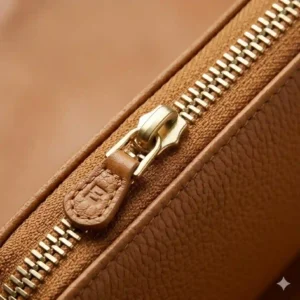
Verify the Hardware Pedigree: A wallet is essentially a tiny, flexible safe. If the brand does not explicitly state they use YKK, OOK, or Riri zippers, they are using cheap, pot-metal generics. Generic teeth will chip, and the pull tabs will snap off within a year.
-
Calculate the “Gusset Ratio”: The gusset is the folded fabric on the sides that prevents items from falling out when open. If the gusset is too short, the wallet won’t open wide enough for you to see your cards. Look for models that open to at least a 45-degree angle.
-
Assess the Lining Material: Leather outside is great, but what is inside? Nylon linings are slick and make card retrieval easy, but they tear. Raw suede interiors are durable but grip plastic cards tightly, making them frustrating to pull out in a hurry. Look for a densely woven twill or coated cotton interior for the perfect balance.
🛑 Common Mistakes When Buying (And How to Avoid Them)
The spec sheet is a marketing tool designed to sell, not educate. Here is my insider perspective on the pitfalls most consumers fall into when hunting for a zip around wallet.
Falling for the “Genuine Leather” Trap
Most buyers see “Genuine Leather” and assume high quality. In the leather grading hierarchy, “Genuine” is often the lowest acceptable grade—it’s heavily processed, sanded down, and painted with plastic to hide imperfections. It will peel and crack. You must actively search for “Full-Grain” or “Top-Grain” leather, which retains the natural strength of the hide. If a listing just says “100% Leather,” assume it is the lowest grade. According to standards outlined by leather working organizations, top-grain provides the best balance of flexibility and durability for zippered goods.
Misunderstanding RFID Protection
Many brands charge a $20 premium for “RFID Blocking,” claiming it will save you from digital theft. What they overlook is that modern credit cards use EMV chips requiring physical contact (or extreme proximity) to process large transactions. While skimming exists, the threat is often exaggerated. If you buy a wallet solely for RFID, you are overpaying. Prioritize build quality first; view RFID as a secondary bonus, not the main purchasing pillar. You can read more about realistic RFID risks via the Federal Trade Commission (FTC) guidelines on privacy.
⚖️ Features That Actually Matter (And Those That Don’t)
Let’s cut through the noise and filter the marketing hype from the mechanical reality.
Matters: Zipper Tape Material
The fabric that attaches the zipper teeth to the wallet body is called the tape. If this is made of cheap cotton, it will stretch and fray, causing the zipper to derail. Premium models use reinforced polyester tape. This is why a $60 wallet outlasts a $15 one.
Does Not Matter: Dedicated SIM Card Slots
Many “travel” wallets brag about tiny, dedicated slots for Micro-SD or SIM cards. In reality, these slots stretch out over time, and a $30 piece of silicon falls into the abyss of your bag. Keep data cards in a hard plastic case; do not trust them to the soft interior of a leather pouch.
Matters: Contrast Stitching
It looks like a stylistic choice, but contrast stitching (using white thread on black leather) forces the manufacturer to be perfect. You can instantly spot a wonky, uneven seam. Brands that use color-matched thread are often hiding sloppy manufacturing tolerances.
⏳ Long-Term Cost & Maintenance: The Year One Roadmap
The purchase price is not the total cost of ownership. If you buy a quality zip around wallet, it requires a maintenance cycle to keep it performing like day one.
Month 1: The Break-In Period
Leather and canvas will be stiff. Your cards will be hard to remove. Do not overstuff the wallet to “stretch it out quickly.” This creates micro-tears in the stitching. Let the heat of your body (if carried in a pocket) naturally soften the material.
Month 6: The Zipper Audit
By now, the zipper track will have accumulated pocket lint, dust, and natural hand oils. This creates sludge between the teeth. Take a dry toothbrush and vigorously scrub the zipper track while the wallet is empty. Follow up by rubbing beeswax or a specialized zipper lubricant along the teeth. This 5-minute task prevents 99% of catastrophic hardware failures.
Month 12: Conditioning
If you opted for the Fossil Logan or the Bellroy, the leather will be drying out, especially if you live in an arid climate or heat your home aggressively in the winter. Apply a pea-sized amount of high-quality leather conditioner (like Bick 4 or a mild mink oil) with a microfiber cloth. This restores moisture and prevents the hinges—the areas where the wallet folds—from cracking. A $10 bottle of conditioner extends the life of a $60 wallet by five years.
✨ Don’t Miss These Exclusive Deals!
🔍 Ready to upgrade your pocket real estate? Click on any highlighted item to check current pricing and availability. These tools will help you create an authentic, streamlined carry system!
🏁 Conclusion
Upgrading your daily carry shouldn’t be an afterthought. The humble zip around wallet is arguably the most important piece of gear you own—it secures your identity, your finances, and your peace of mind. By ignoring the superficial marketing hype and focusing on the mechanical truths—sturdy YKK hardware, full-grain leather, and properly engineered gussets—you elevate a simple pouch into a dependable daily companion.
Whether you lean towards the sleek, patina-rich minimalism of the Bellroy, or the absolute high-tech utility of the Vaultskin, remember that a wallet is an active participant in your routine. Treat it with a little maintenance, respect its storage limits, and it will serve you flawlessly for years to come.
❓ FAQs
❓ What is a zip around wallet best used for?
✅ It is ideal for maximalists who carry cash, coins, and multiple cards. The closed-loop design ensures nothing falls out in transit, making it perfect for travel, throwing into large tote bags, or preventing items from slipping out in a crowded environment…
❓ Do zip around wallets break easily?
✅ They are only as fragile as their zipper. Models utilizing YKK or OOK hardware can last for decades. However, cheap generic zippers easily derail or lose teeth if the wallet is consistently overstuffed beyond its intended internal capacity…
❓ Can a zip around wallet fit in a front pocket?
✅ Yes, provided you select a minimalist, half-zip or compact model. Standard, long zip-around clutch styles are designed for bags or back pockets, but compact square variants are specifically engineered for ergonomic front-pocket carry…
❓ Does a zip around wallet damage credit cards?
✅ Not if designed correctly. However, poorly engineered models with tight internal corner radiuses can put pressure on the outer edges of plastic cards. Placing your sturdiest cards on the outside edges prevents this bending…
❓ How do I fix a stuck zipper on my wallet?
✅ Never pull it forcefully. Gently rub the tip of a graphite pencil or a specialized zipper wax over the teeth directly in front of the stuck slider. The dry lubricant will usually allow the slider to pass the obstruction smoothly…
📖 Recommended for You
- 5 Best Tri Fold Wallet Picks for 2026: Pocket-Tested Reviews
- 5 Best mcm wallet Options for 2026: Expert Luxury Review
- 5 Best Coin Pouch With Zipper Options to Stay Organized in 2026
Disclaimer: This article contains affiliate links. As an Amazon Associate, I earn from qualifying purchases. If you purchase products through these links, we may earn a small commission at no additional cost to you.
✨ Found this helpful? Share it with your friends! 💬🤗
[addtoany]
